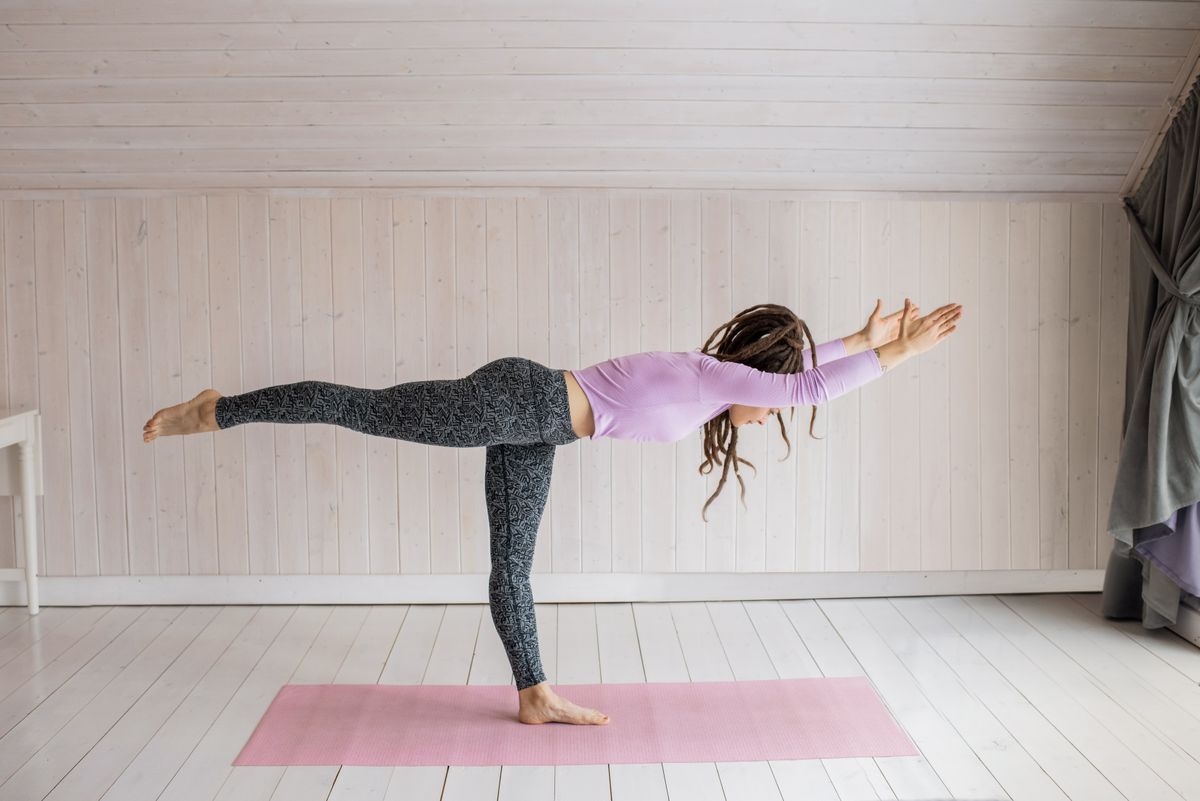
Balance is one of the most important physical abilities you have -- and one of the easiest to lose if you do not train it. Whether you are 30 or 75, your balance is either improving or declining. There is no neutral.
Why Balance Matters at Every Age
For younger and middle-aged adults, balance is the foundation of athletic performance and injury prevention. Every time you change direction, absorb force, or stabilize on one leg -- running, hiking, playing sports -- your balance systems are working. When they are sharp, you move with confidence. When they are not, you compensate, and compensations eventually become injuries.
For older adults, the stakes are even higher. Falls are the leading cause of injury-related death in adults over 65. One in four older adults falls each year, and the consequences -- hip fractures, head injuries, loss of independence -- can be devastating. The research is clear: balance training significantly reduces fall risk.
But here is the thing most people miss: balance does not decline because of aging alone. It declines because people stop challenging it. You can rebuild balance at any age if you train it intentionally.
The Three Balance Systems
Your body maintains balance through three sensory systems working together:
1. Visual system. Your eyes tell your brain where you are in space relative to your environment. This is why balance is harder with your eyes closed -- you have removed one input source.
2. Vestibular system. The inner ear detects head position and movement. It tells your brain whether you are tilting, rotating, or accelerating. Vestibular dysfunction is a common and often overlooked cause of balance problems and dizziness.
3. Proprioceptive system. Sensors in your joints, muscles, and skin detect pressure and position. Your feet, ankles, and spine are especially rich in proprioceptors. This system tells your brain where your body is without having to look.
Good balance requires all three systems communicating accurately. When one system weakens, the others compensate -- but that compensation has limits.
Training balance means challenging all three systems, not just one.
Simple Balance Exercises to Start With
You do not need specialized equipment to start improving your balance. Here are five exercises you can do at home:
- Single-leg stance -- Stand on one foot for 30 seconds. Too easy? Close your eyes. Still too easy? Stand on a pillow.
- Tandem walking -- Walk heel-to-toe in a straight line, as if on a tightrope. Focus on controlled, deliberate steps.
- Weight shifts -- Stand with feet hip-width apart and slowly shift your weight side to side, then forward and back. Notice where you feel stable and where you do not.
- Step-ups with a pause -- Step onto a low step and pause on one leg at the top for 3 seconds before stepping down. Control matters more than speed.
- Head turns while standing -- Stand on one foot and slowly turn your head left and right. This challenges your vestibular system while your proprioceptive system works to keep you upright.
Start near a counter or wall for safety. Progress by removing the support, closing your eyes, or adding an unstable surface.
Balance and Longevity
There is growing recognition in the medical community that balance is a key predictor of longevity and healthspan. The ability to stand on one leg, get up from the floor, and navigate uneven terrain are not just fitness markers -- they are markers of how well you will function in the decades ahead.
Training balance is not glamorous. It will not go viral on social media. But it may be the single most important thing you can do for your long-term physical independence.
When to Get Professional Help
If you have noticed your balance declining, if you have had a fall or a near-fall, or if you experience dizziness or unsteadiness, a formal balance assessment can identify exactly where the problem is coming from and what to do about it.
Want to know where your balance stands and how to improve it? [Start here](/contact).
Related idea: When the floor is the hard part: a low, wide table can stand in for it
Instant Energy Boost through Simple Movement and Stretching Exercises
From The Resilience Flow Network